UX/UI
Simplifying insurance experiences
COMPANY
APRIL
ROLE
UX/UI Designer
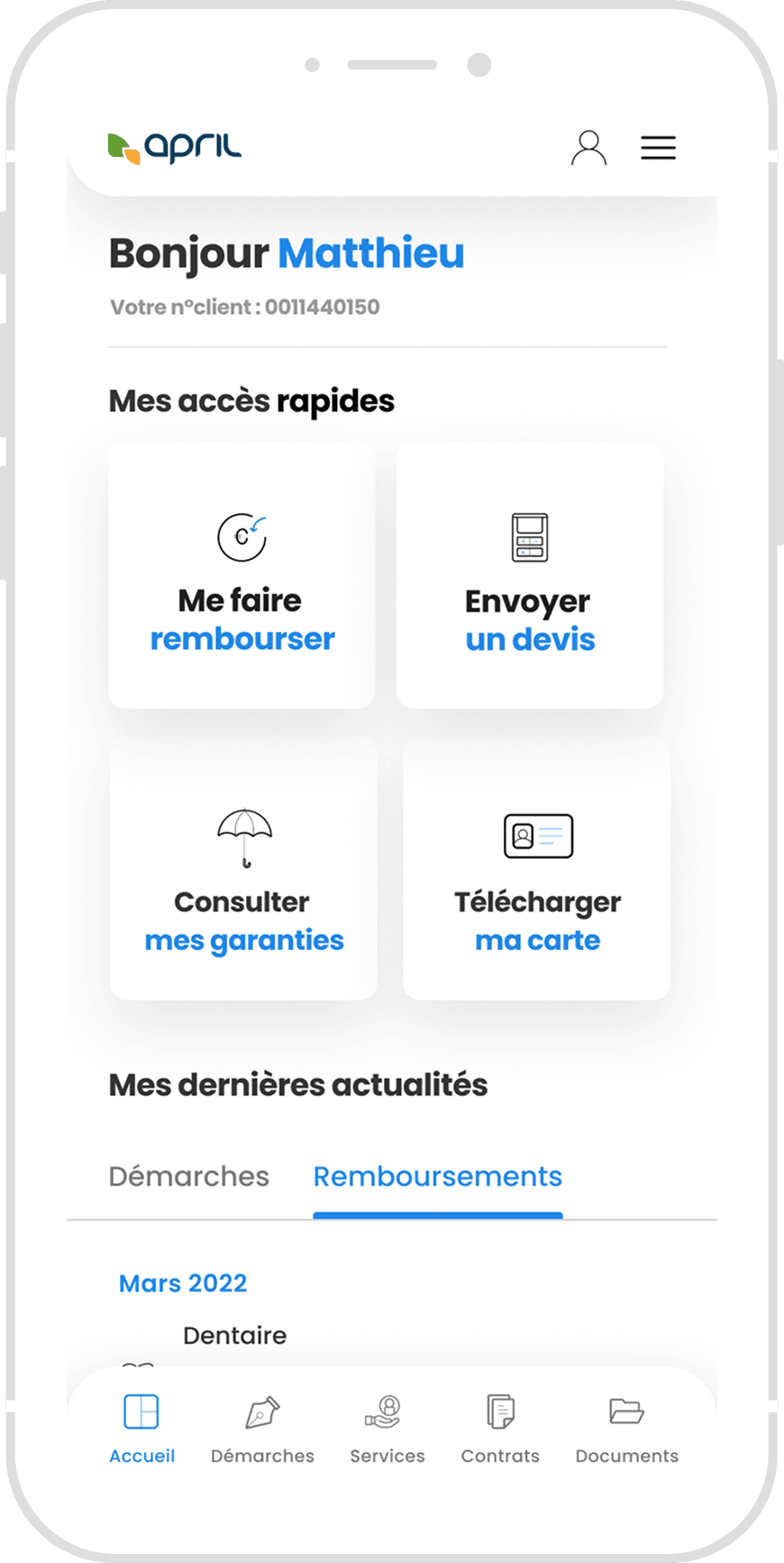
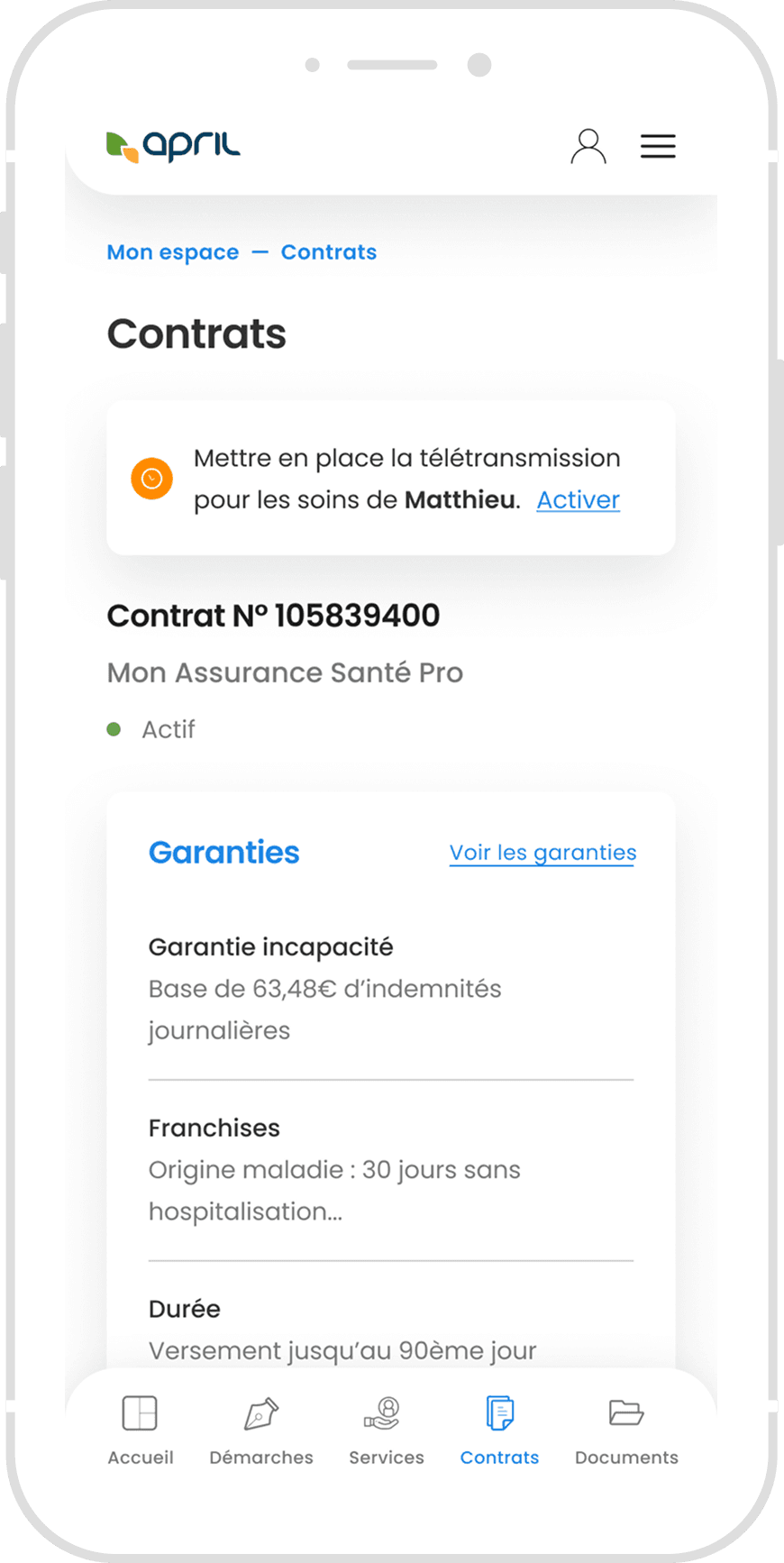
APRIL operates in a highly regulated insurance environment, with multiple products, markets and internal stakeholders. The design challenge was to improve user experience while ensuring consistency, scalability and compliance.
As a UX/UI Designer, I worked closely with Product Managers, developers and business stakeholders to design and improve digital tools used by end users.
Workshop & Research
Facilitated workshops and discovery sessions with product and business teams to align on user needs, constraints and priorities.
Contributed to user research through interviews, analysis of existing flows and stakeholder insights to better understand complex insurance processes.
Design & Prototyping
Designed user flows, wireframes and high-fidelity interfaces to simplify complex insurance journeys.
Built interactive prototypes to support discussions, validate assumptions and iterate quickly with stakeholders.
Testing & Iterations
Conducted a usability testing session with 10 users to validate the redesigned user journey and assess improvements in clarity and usability.
Insights from the sessions directly informed final design refinements before implementation.
Collaboration with IT
Worked closely with development teams to ensure feasibility and smooth handoff of designs.
Adapted UX and UI decisions to technical constraints while maintaining consistency and usability across products.
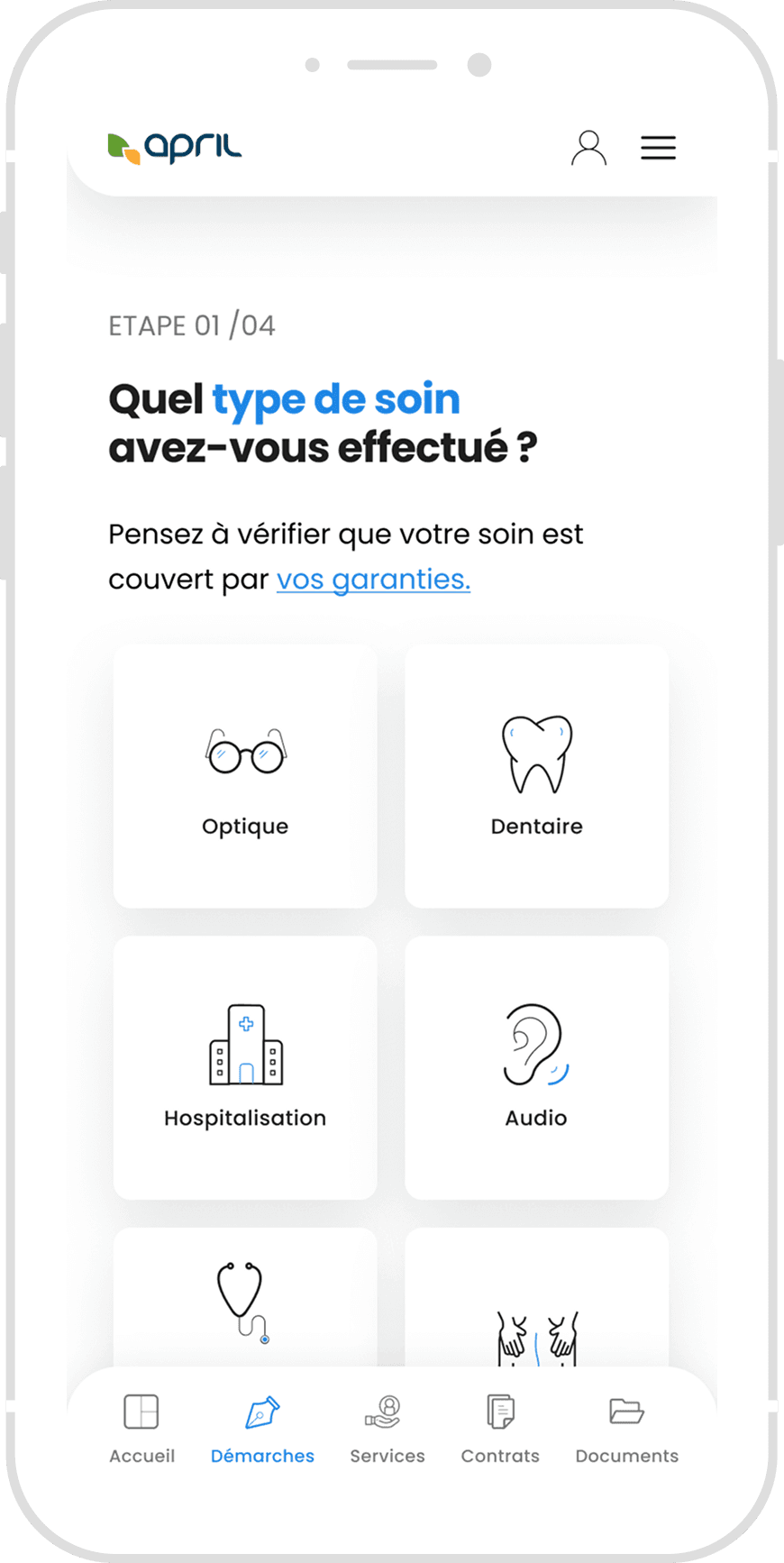
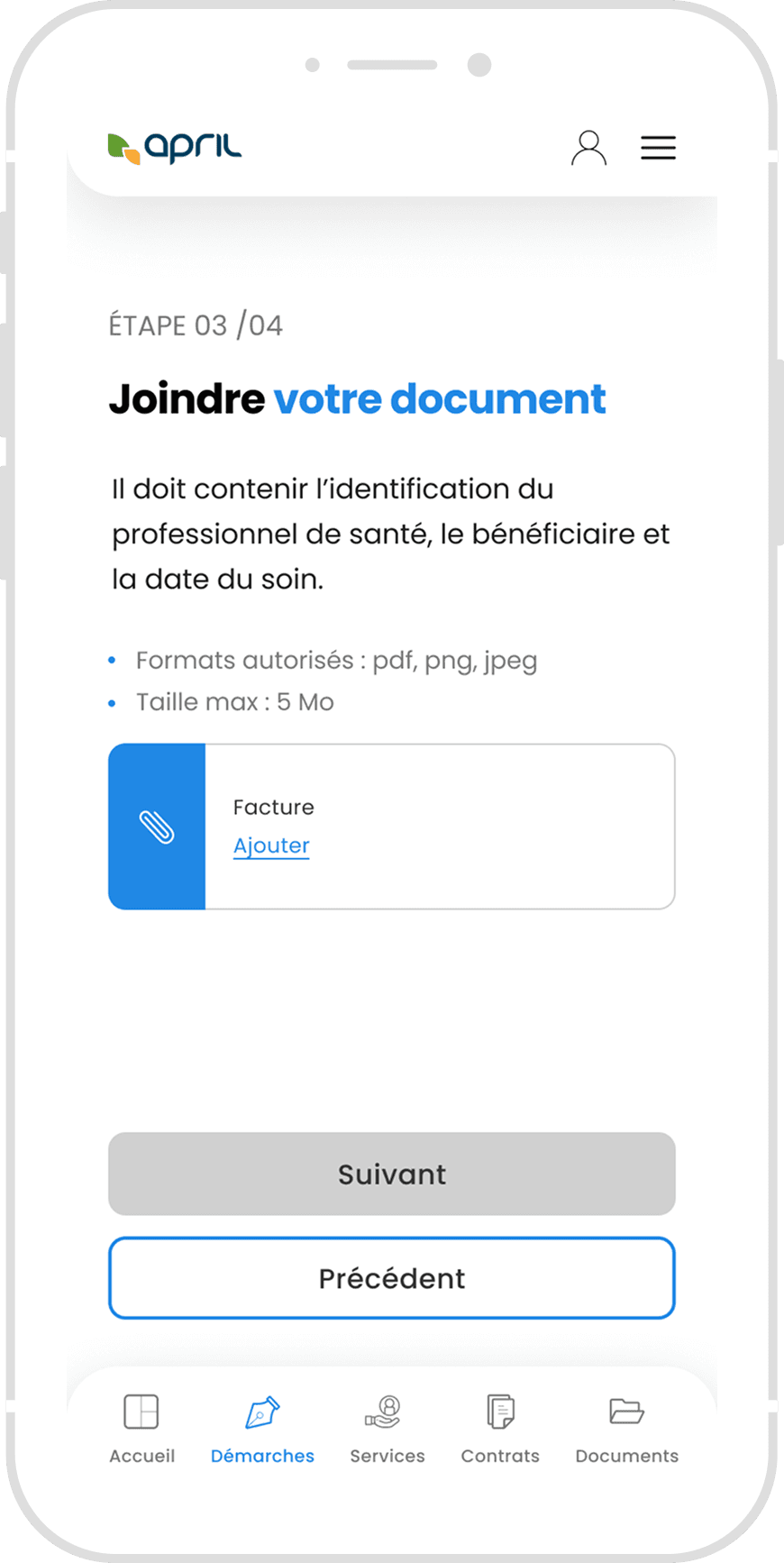
To optimize the reimbursement request user journey for the health insurance division by simplifying the process with clearer language and an intuitive, easy-to-complete form, reducing customer service calls and minimizing input errors.
Methodology
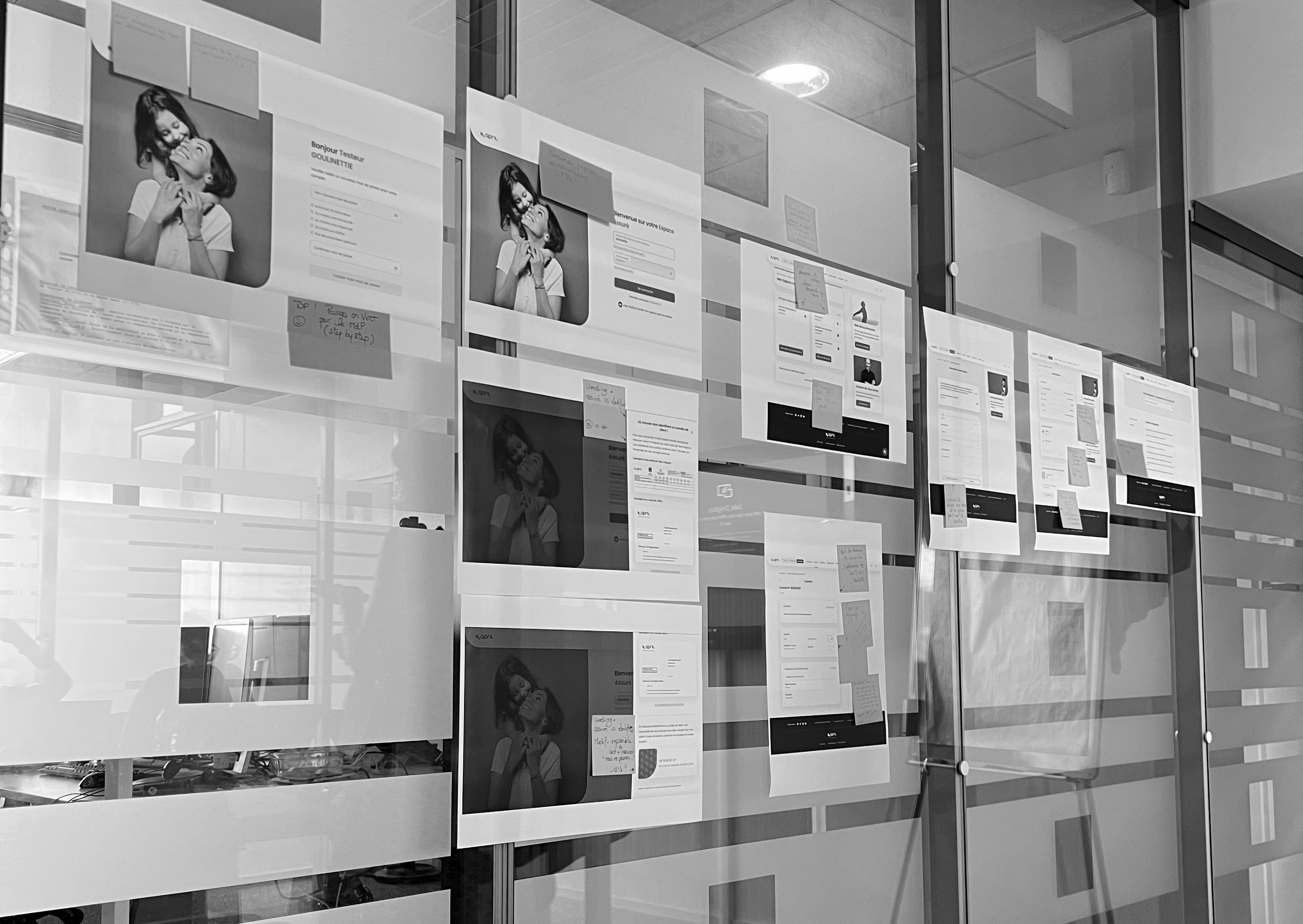
We started with an internal workshop alongside the customer service team to identify the most common questions asked during phone calls.
Following that, we created wireframes to enhance the existing user journey and simplify the language by replacing technical insurance jargon.
Once the wireframes were refined, we finalized the mockups as an interactive prototype.
Remote user testing was then conducted via Teams with 10 participants, who first assessed the old journey and then evaluated the new one.
The test results were presented to stakeholders, and after making minor adjustments based on user feedback, we passed the updated journey to the development teams for implementation.
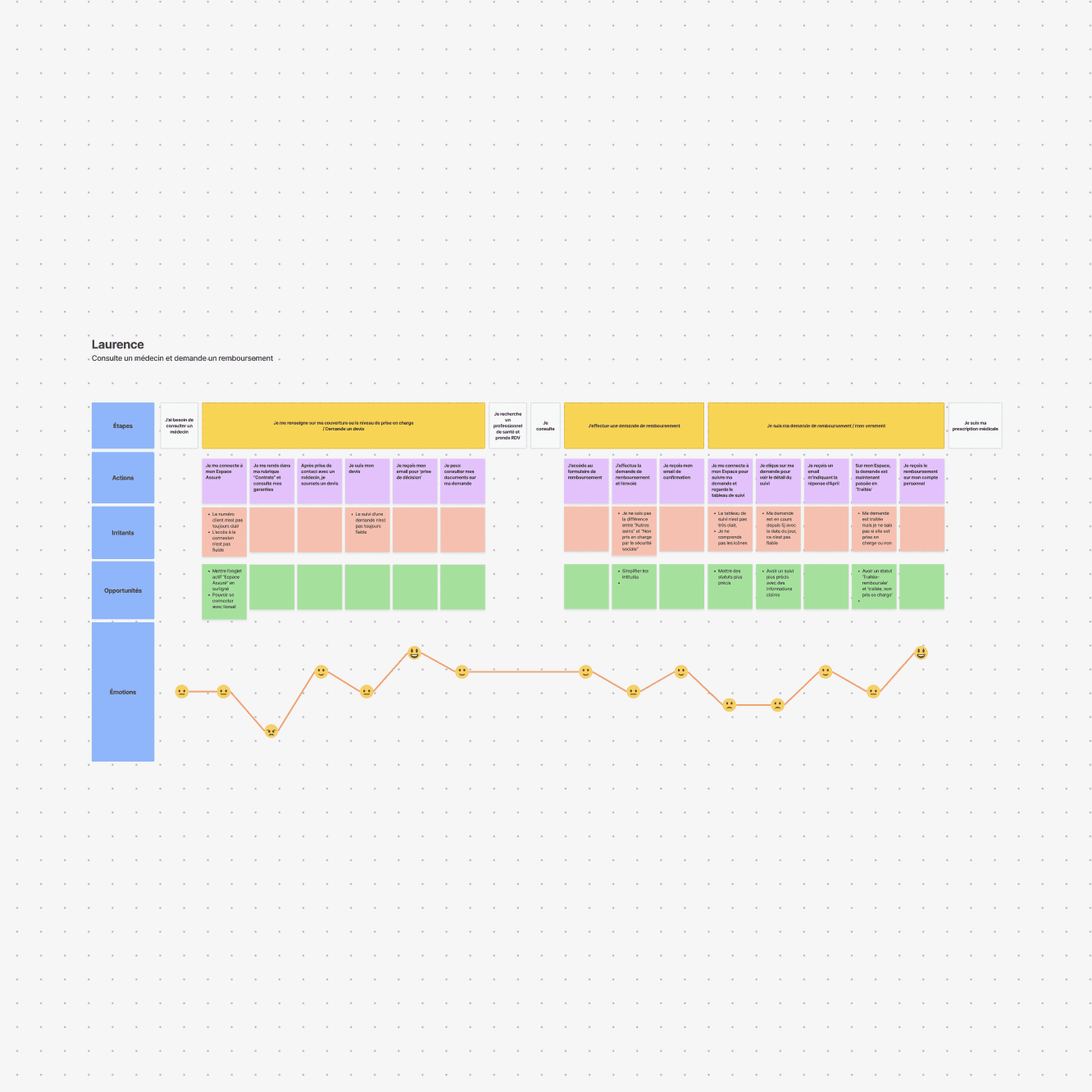
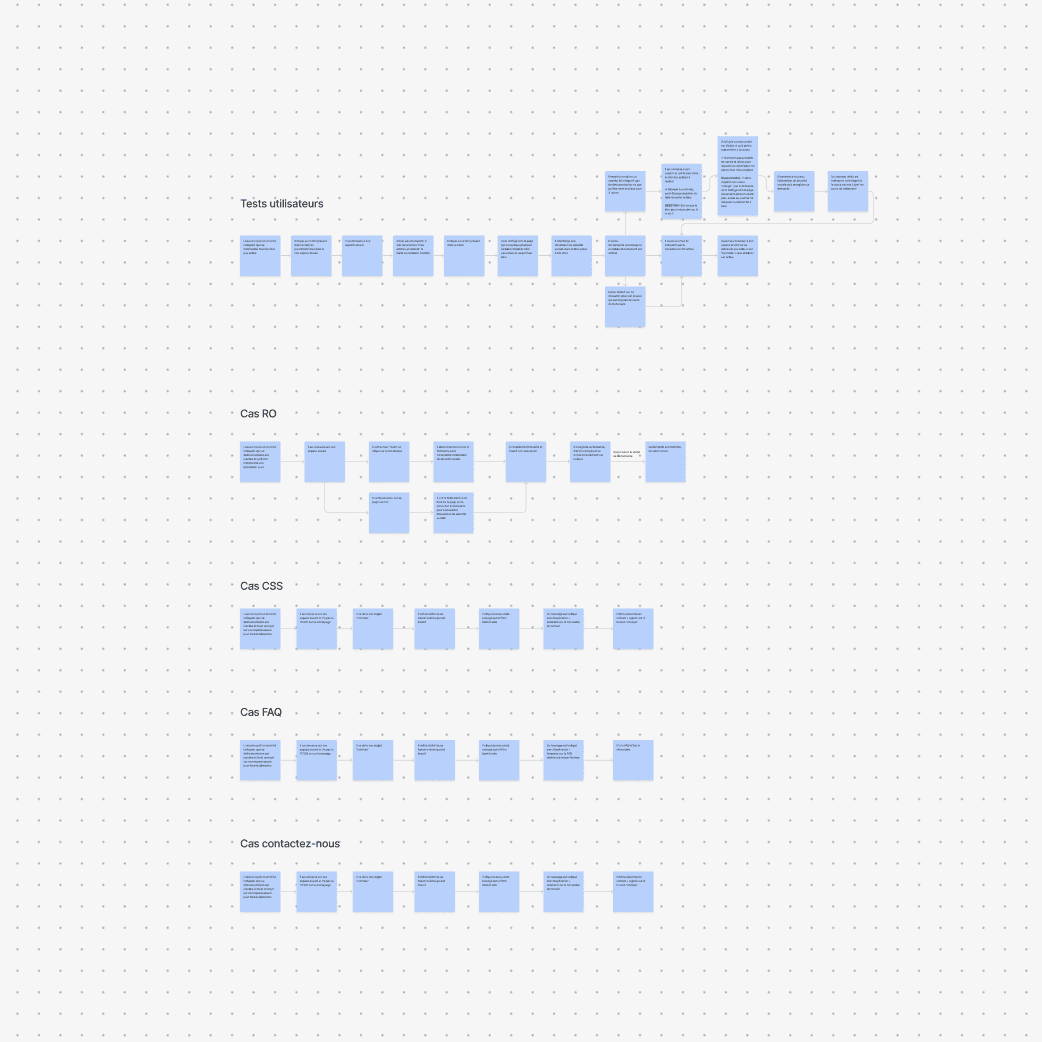
The overall satisfaction score increased from 8.6/10 for the existing journey to 9.3/10 for the redesigned experience, validating the impact of the design improvements.
Users identified the new journey as:
Easier to access
Easier to understand
Faster to complete
Offering better visibility and follow-up